thebespoketraveler
Japan
TokyoCity Guide Volume 01
CITY GUIDE · 2026

Tokyo.

Layered, exact, eternal. 645 to today, in a single afternoon.
IMPERIAL PALACE · TOKYO

Tokyo is the most layered city in Asia, and the one that hides it best. The skyline reads neon and steel, but step ten meters off the avenue and you find a 400-year-old shrine inside a sake brewery’s back garden. Senso-ji’s incense smoke still rises through Asakusa at 5am the way it has since 645 AD. The Imperial Palace gardens — eight square kilometers of forest at the city’s exact center — operate the way they have since 1888. You can walk a thousand years of Japan in a single Tokyo afternoon, then eat the world’s most awarded dining scene at night.

160 Michelin stars. 13.96 million people. Two of the world’s busiest train stations.And still — the cleanest, quietest, most precise major city on the planet.

Tokyo’s gift is its restraint. The hospitality is anticipatory but never intrusive. The trains arrive to the second. The omakase counter chef tracks the exact temperature of the rice between courses. The taxi drivers wear white gloves. Every transaction is a small ritual — a two-handed bow, the receipt presented with both hands, the receipt taken with both hands. You start adjusting your own movements after a few days. You start matching the precision.

“Tokyo is the city Japan keeps perfecting. The most refined urbanism in Asia, and the launch pad for everything north of Kyoto.”

What every first-time visitor underestimates is the scale. Tokyo is 23 wards, each functioning like its own city. Shibuya alone has more people than Manhattan. Shinjuku Station moves 3.6 million riders a day — the busiest in the world. You don’t try to see Tokyo. You pick a neighborhood, anchor a luxury hotel in it, and let that neighborhood teach you the city’s logic. Ginza for the polished. Aoyama for the design-led. Otemachi for the institutional. Asakusa for the old.

Slowness in Tokyo isn’t a posture — it’s earned. The city rewards travelers who slow themselves down to its level of precision.

All that being said — welcome to Tokyo. Let’s break it down.
— 01 —
WHAT YOU NEED TO KNOW

Before you arrive.

The brief.
VISA · US PASSPORT Visa-free, up to 90 days. No application required for tourism, business meetings, or family visits. Passport must be valid for the duration of your stay. Pre-register via Visit Japan Web (digital immigration + customs) before arrival.
BEST WINDOW Late March — mid April · Late November — early December CHERRY BLOSSOM:March 25 — April 10 AUTUMN FOLIAGE:November 20 — December 5 AVOID:Golden Week (Apr 29 — May 5) · Obon (mid-Aug) · NYE (Dec 28 — Jan 3)
LANGUAGE Japanese. English signage is strong throughout Tokyo’s tourist zones, less so once you step into residential neighborhoods. Translation apps work — Google Translate is reliable. We curate a custom Japanese phrase pack for high-context situations (omakase counters, ryokan check-ins) on request.
CURRENCY JPY (¥). ~¥155 per $1 USD. Cards accepted everywhere at the tier you’ll be operating in — Aman, Peninsula, Bvlgari, the Michelin counters, the private cars. Carry ¥30,000–¥50,000 cash for shrine donations, small purchases, and the occasional cash-only kissaten. Your concierge will pre-arrange cash from your room if you didn’t bring any.
eSIM · DATA Roamless eSIM — activate before landing. Load your data on demand, no contract, no SIM swap. Add ExpressVPN for digital privacy on hotel WiFi and public networks. Tokyo’s 5G is universal and excellent — including subways and shinkansen tunnels.
TAP WATER Safe to drink everywhere. Tokyo tap water is among the cleanest in the world. Ice at all restaurants is safe. Bottled water available at any 7-Eleven if preferred.
NIGHTS 4 minimum. 7 ideal. Tokyo rewards depth, not speed. Anything under 4 nights is a layover. Most clients pair Tokyo with 2-3 nights in Kyoto or a Hakone onsen overnight — built into the rhythm.
CULTURAL CODE Bow on greeting. No tipping. In Japan, tipping reads as transactional — service is already inside the price at your tier. Shoes off at ryokans, traditional restaurants, temple inner halls — easy-off footwear matters. Quiet on trains, no phone calls, low tones. Walk on the LEFT on escalators (Tokyo standard; Osaka is opposite). Match the room’s volume; mirror the room’s pace. Full codes in §7.
MEDICAL & EMERGENCY St. Luke’s International Hospital. 9-1 Akashi-cho, Chūō. English-speaking, premier expat medical, 24/7. Tel: +81 3-3541-5151.

US Embassy Tokyo. 1-10-5 Akasaka, Minato. Tel: +81 3-3224-5000. Emergency 119 (ambulance) · 110 (police). Keep all on file.
MANNERISM Service is precision. Tokyo’s hospitality is anticipatory — staff greet on time, track your movements, never break form. The cultural quirk that catches Westerners is the quiet: people don’t make eye contact on the train, don’t chat loudly in cafés, don’t talk on phones in public spaces. Match the volume of the room you’re in. Don’t take silence for coldness — it’s reserve.
— 02 —
THE EXPERIENCES

645 to today.

Tokyo has been Japan’s eastern capital since 1603 — but Senso-ji has been there since 645 AD, 950+ years before that. 23 wards. 13.96 million people. The world’s most refined urbanism layered over an ancient Buddhist city. 4 experiences anchor this trip.

Tokyo splits a hundred ways. Asakusa is old — narrow streets, shop fronts that haven’t moved in 80 years, incense at Senso-ji still burning through fog at 5am the way it has for 14 centuries. Ginza is wealth — beaux-arts department stores from 1872, the world’s first electric streetlights, the most expensive square meter of real estate on earth. Shibuya is now — the scramble crossing, 3,000 pedestrians per light cycle, neon and noise and digital signage. That’s where the design world stays. That’s where the energy lives.

But you don’t come to Tokyo for any one of those. You come for the Imperial Palace at 5:30am, when the moat is still and the locals are jogging the 5km loop. You come for the first wave of incense smoke through Senso-ji’s main hall before the tour buses arrive. You come for the sushi counter where the chef has been refining one technique for 40 years. The reward of Tokyo isn’t the monuments. It’s the precision. It’s knowing that every interaction here has been perfected over decades.

IMPERIAL PALACE · OTEMACHI
— 01 of 04 · IMMERSIVE —
THE SUNRISE

Imperial Palace at sunrise.

the spiritual foundation.

The Imperial Palace sits at Tokyo’s exact center — 8 square kilometers of forest, gardens, and moats surrounded by the Otemachi financial district. The outer perimeter is a 5-kilometer loop, used by runners and walkers every morning since the moat-side path opened in 2007. 6,000 runners a day pass through. At 5:30am, the loop belongs to the locals.

This is where you understand Tokyo’s first lesson: the city is enormous, but every Tokyoite anchors to this single quiet patch of pine and water. You’ll see executives in track gear, retirees doing radio taiso group exercise, salarymen walking before their 7am train. No one’s performing. Everyone is moving with the city’s heartbeat at the city’s exact center.

The East Gardens — open to the public 9am to 4pm — contain the foundations of Edo Castle (1457), the seat of the Tokugawa shogunate for 264 years. The stone walls are massive, hand-cut, dry-stacked. They’ve held since the 1600s. The cherry blossoms here in late March are the version of Tokyo every photographer comes for.

HOW TO DO IT
WHEN
different times, different vibes: 5:30–6:30amthe loop belongs to locals — quiet, blue light 7–8amcommuter wave — the city wakes 9amEast Gardens open — Edo Castle ruins + cherry blossoms in season 4:30pmgolden hour — the moat reflects the skyline
WHERE
Otemachi or Hibiya station exits · 5km outer perimeter loop
BRING
Running shoes if you’ll loop. Otherwise just yourself.
NOTE · EDO CASTLE The Imperial Palace stands where Edo Castle stood — the seat of the Tokugawa shogunate from 1603 to 1868. When the Meiji Emperor moved the imperial capital from Kyoto to Edo in 1868, the city was renamed Tokyo (“eastern capital”) and the shogun’s castle became the emperor’s residence. The dry-stacked stone walls you walk past are the original Edo foundation. Tokyo is layered directly on top.
— 02 of 04 · CULTURAL —
THE TEMPLE

Senso-ji at dawn.

Tokyo’s oldest temple. 645 AD. Asakusa, before the buses arrive.

Senso-ji is older than Tokyo itself. Founded in 645 AD, dedicated to Kannon (the bodhisattva of compassion), it predates the city by nearly 1,000 years. By the time Tokugawa Ieyasu moved his capital to Edo in 1603, Senso-ji had already been operating as a Buddhist temple for nine and a half centuries.

It’s also the most-visited temple in Tokyo — 30 million pilgrims and tourists per year. Which is why you go at dawn. Between 5:30 and 7:00am, the temple is yours and the monks’. The Kaminarimon thunder gate, the Nakamise pilgrimage shopping street (closed at this hour, shutters down), the Hozomon inner gate, the five-story pagoda, the main hall — all of it standing silent in the first blue-grey light before Asakusa wakes.

By 9am the buses arrive and Asakusa floods. Get there at 5:30 and the entire complex hands you something most Tokyo visitors will never see: silence at one of the world’s busiest sacred sites. The incense smoke. The pre-dawn chants from the monks’ quarters. The slow click of wooden geta sandals on the stones.

HOW TO DO IT
WHEN
Main hall opens 6am summer · 6:30am winter. Grounds 24/7. 5:30–7am is the window.
WHERE
2-3-1 Asakusa, Taito · Asakusa station (Ginza Line, exit 1).
ENTRY
Free. Omikuji fortune draw at the main hall (¥100).
DRESS
No specific dress code. Shoulders covered out of respect. Shoes off in inner sanctum if entering.
PRIVATE PRE-DAWN BLESSING A private monk-led morning blessing inside the main hall — before 5:30am opening — can be arranged through TBT’s Tokyo concierge partners. Available to Sanctum members.
SENSO-JI · 645 AD
SENSO-JI · 645 AD
GINZA WAKO · 1894
GINZA WAKO · 1894
— 03 of 04 · CULTURAL AND HERITAGE —
THE WALK

Ginza to Shibuya.

three eras of Tokyo, walked in one afternoon.

This walk isn’t on most guides. 3 eras of Tokyo, each defined by one neighborhood. The whole arc is 4.5 kilometers — Ginza to Aoyama to Shibuya — and ends with you understanding how Tokyo built itself from Meiji wealth to Showa modernism to Heisei chaos.

Start at Ginza. The original Tokyo brick boulevard, paved in 1872 after a great fire — Japan’s first Western-style street, laid out by Irish architect Thomas Waters. Wako (the iconic clock-tower department store) was built in 1894 on the same spot. Mitsukoshi, Matsuya, Dover Street Market, Hermes’ six-story Renzo Piano flagship. This is old Tokyo wealth, restrained, polished, deliberate.

Walk southwest through Aoyama. Mid-century modernism made Tokyo’s design capital. Comme des Garçons, Issey Miyake, Yohji Yamamoto — all flagship here. The Nezu Museum (Kengo Kuma, 2009) anchors the southern end. This is where Japan’s post-war confidence built its showcase.

End at Shibuya. The world’s busiest pedestrian crossing — 3,000 people per light cycle. Hachiko statue (the famous loyal dog). The Scramble Square observation deck. Shibuya is Tokyo at full volume: glass towers, screens the size of buildings, club music leaking from underground passages.

One afternoon. Three Tokyos: Meiji period, post-war modernism, contemporary chaos. The complete arc of how this city built itself.

HOW TO DO IT
WHEN
Half-day · best 2pm–7pm. Shibuya at dusk (5–6pm light + neon) is the move.
ROUTE
Ginza Wako → Mitsukoshi → Aoyama (Omotesando) → Nezu Museum → Shibuya Crossing → Shibuya Sky.
DISTANCE
~4.5km · 4-5 hours with stops.
— 04 of 04 · THRILL-SEEKING —
THE FLIGHT

Tokyo by helicopter.

25 minutes over the world’s largest city. Tokyo Tower, Skytree, Rainbow Bridge, Mt. Fuji on a clear day.

Tokyo isn’t a city you can comprehend at street level. From the ground, it feels like 23 separate cities. From 800 feet up, the geography clicks: the Imperial Palace at dead center, the Sumida River cutting east, Tokyo Bay sprawling south, Mt. Fuji rising 100km west on clear winter days.

The standard route is a 25–30 minute Tokyo Bay loop from Mori Building Heliport in Roppongi: lift off, sweep over Tokyo Tower, bank east over the Imperial Palace, north past Skytree (634m — the world’s tallest free-standing tower), south down Rainbow Bridge over Odaiba, and back. On clear winter mornings, you’ll see Fuji-san directly out the west window.

This recalibrates how you see Tokyo for the rest of the trip. After 25 minutes from above, you understand which neighborhoods sit where, how the city’s bones are laid out, why Ginza and Shibuya feel like different cities. The next day you walk around differently.

For longer charters: Tokyo to Mt. Fuji 5th station + back is ~90 minutes. Tokyo to Hakone is ~45 minutes one-way and lets you skip the train to your onsen.

HOW TO DO IT
WHEN
Clear winter mornings (Dec — Feb) for Fuji visibility. Sunset flights = neon transition. Weather-dependent.
WHERE
Mori Building Heliport · Roppongi Hills Mori Tower rooftop · or HND/NRT for charter pickups.
LEVELS
25-min Tokyo loop · 90-min Tokyo→Fuji loop · 45-min one-way to Hakone or Atami.
BRING
ID. Photo gear. Sunglasses (window glare).
WE ARRANGE
Operator selection (Excel Air, AirX), hotel pickup, in-flight stills photographer if requested.
TOKYO HELI · MORI HELIPAD
A WORD ON · MARIO KART TOURS

Skip the Mario Kart street tours.

Groups of tourists race go-karts dressed as Mario through Shibuya and Akihabara. Multiple accidents per year. The local government has been trying to ban them. If you want to drive in Tokyo, charter a vintage car tour through Roppongi instead — same speed, real Japanese culture.

A WORD ON · ROBOT RESTAURANT

Skip the Robot / Cabaret shows.

$80–$100 per person for a Kabukichō flashing-lights spectacle that’s more sensory overload than entertainment. If you want Tokyo nightlife done right, go to Golden Gai (Shinjuku) for the 200-bar alley experience, or book a kabuki performance at Kabuki-za in Ginza.

A WORD ON · TSUKIJI TUNA AUCTION

The famous tuna auction moved.

The inner-market tuna auction relocated from Tsukiji to Toyosu Market in 2018. The Tsukiji Outer Market (food stalls, restaurants) still operates and is worth a morning walk. For the actual auction: book a guided Toyosu pre-dawn tour through the Tokyo Metropolitan Central Wholesale Market.

— 03 —
WHERE YOU REST YOUR HEAD

Where you sleep matters.

Each earns its place differently — heritage, height, character.
01 · the anchor
CURATOR’S PICK · ONSEN

Aman Tokyo

— minimalist Aman luxury above the city. Otemachi Tower upper floors.

Aman’s flagship Tokyo property occupying the upper floors of the Otemachi Tower. 84 meticulously crafted rooms and suites. Interiors blend natural woods, washi paper screens, tatami floors, and hand-thrown ceramics. From ~$2,200/night — Tokyo’s highest tier.

INSIDER ACCESS
  • 2,500m² Aman Spa — traditional Onsen-style baths, steam facilities, Shinto-inspired wellness rituals
  • Signature Kampo therapies + Shiatsu massage journeys
  • Arva — refined Italian, panoramic Tokyo skyline view
  • Musashi — 8-seat omakase sushi counter
  • Imperial Palace gardens walking distance — 5 min
02 · the landmark
ROOFTOP ONSEN · GINZA

The Peninsula Tokyo

— Ginza prestige with the only rooftop onsen in central Tokyo.

The Peninsula’s Tokyo flagship in the Ginza district — prime access to Tokyo’s best shopping, art, and cultural sites. Forbes Travel Guide Five-Star. $700-$1,200/night.

The rooftop onsen — mineral-rich hot springs beneath the Tokyo sky — is one of the rarest amenities in central Tokyo. Most city hotels can’t access real onsen water; Peninsula does.

INSIDER ACCESS
  • Peninsula Suite — corner Ginza views over Hibiya Park
  • Peter — French rooftop dining, 24th floor
  • The Lobby — afternoon tea at 3pm, the Tokyo tradition
  • Peninsula Spa — rooftop onsen + 25m pool with skyline view
  • Rolls-Royce fleet for in-city transfers (complimentary for guests within 2km)
03 · the new
ITALIAN LUXURY · JAPANESE CRAFT

Bvlgari Hotel Tokyo

— the newest Forbes Five-Star in the city. Yaesu/Ginza-adjacent.

Bvlgari’s first property in Japan. Opened 2023. Newly awarded Forbes Travel Guide Five-Star for 2026. Italian luxury meets Japanese craft in 98 rooms and suites. Yaesu — Tokyo Station-adjacent, walking distance to Ginza.

Designed by Antonio Citterio Patricia Viel — same architect language as Bvlgari Milano, Dubai, and Roma. Bvlgari Suite is one of the largest in the city.

INSIDER ACCESS
  • Bvlgari Suite — 400m², panoramic view of Imperial Palace
  • Il Ristorante Niko Romito — 1-star Michelin Italian by Chef Romito
  • Sushi Hōseki — 8-seat omakase counter, Edomae tradition
  • Bvlgari Spa — 1,300m², the largest hotel spa in central Tokyo, full pool
  • Bvlgari Bar — late-evening cocktails, terrace overlooking Tokyo Station
— HONORABLE MENTIONS — Three more to consider — each fits a specific kind of Tokyo stay.
FOR THE AUTHENTIC ONSEN SEEKER

Hoshinoya Tokyo

Urban ryokan in Otemachi. Real natural onsen drawn from 1,500 meters underground — the only authentic onsen in central Tokyo. Tatami rooms. Slip into yukata at check-in. The most distinctively Japanese stay in the city.

FOR THE MANDARIN ORIENTAL LOYALIST

Mandarin Oriental, Tokyo

Nihonbashi. 38th-floor sky lobby. Home to Sushi Shin (Michelin star) and Signature (modern French). The brand’s Tokyo flagship — heritage Asian luxury, central business district.

FOR THE PALACE-GARDEN VIEW

Shangri-La Tokyo

Marunouchi, directly above Tokyo Station. Imperial Palace gardens walking distance. Quieter than Aman in the same neighborhood — for travelers who want central convenience without the Aman price point.

— 04 —
WHERE TO EAT

160 stars. Six favorites.

Tokyo holds 160 Michelin-starred restaurants — more than any city in the world. These six are our favorites across the cuisines that matter. Go out and find yours.
THE STARS · THE THREE

The three-star tier.

— Tokyo has 15 restaurants at three stars. Here are the three we route clients to first.
EDOMAE SUSHI

Sushi Yoshitake

ORDER: the omakase · counter only

The pinnacle of Edomae sushi in Tokyo. Chef Masahiro Yoshitake’s 7-seat counter in Ginza. Three Michelin stars retained for over a decade. Booking 2-3 months ahead; concierge assistance essential.

— 8-7-19 Ginza, Suzuryu Bldg 3F · Chūō
★★★MICHELIN · THREE STARS
GRAND FRENCH

Joël Robuchon Tokyo

ORDER: the chef’s tasting · evening

Joël Robuchon’s flagship Japan property in Ebisu Garden Place. A castle-like standalone structure — three floors of dining, the top floor at three stars. The grand French temple of Tokyo.

— 1-13-1 Mita, Ebisu Garden Place · Meguro
★★★MICHELIN · THREE STARS
MODERN KAISEKI

Ryugin

ORDER: the seasonal kaiseki

Chef Seiji Yamamoto’s globally renowned modern kaiseki. Mid-Town Hibiya, 7th floor. The Tokyo restaurant most often cited on World’s 50 Best lists. Booking 2-3 months out — concierge-only access at peak season.

— 1-1-2 Yurakucho, Mid-Town Hibiya 7F · Chiyoda
★★★MICHELIN · THREE STARS
THE OTHER FAVORITES

Three more across cuisines.

— modern French · only 3-star Chinese in Tokyo · the accessible booking that’s still World’s-50-Best level.
PLANT-FORWARD FRENCH

L’Effervescence

ORDER: the tasting · spring or autumn

Chef Shinobu Namae’s plant-forward French innovation. Three Michelin stars + a Green Star for sustainability. Vegetable-led tasting menus that compete with the city’s best protein-forward kitchens. Nishi-Azabu.

— 2-26-4 Nishi-Azabu · Minato
★★★MICHELIN · THREE STARS · GREEN STAR
MODERN CHINESE

Sazenka

ORDER: the chef’s tasting · 12 courses

Chef Tomoya Kawada’s reinterpretation of Chinese cuisine through Japanese precision. The only three-Michelin-star Chinese restaurant in Tokyo. 16 seats in a converted 1950s machiya house. Quietest tasting menu in the city.

— 4-7-5 Minami-Azabu · Minato
★★★MICHELIN · THREE STARS
PLAYFUL KAISEKI · BOOK-ABLE

Den

ORDER: the tasting · Dentucky Fried Chicken included

Chef Zaiyu Hasegawa’s playful modern kaiseki. Two Michelin stars + World’s 50 Best regular — and the most accessible booking among Tokyo’s top kitchens. The “DFC” — Dentucky Fried Chicken — has become a Tokyo dining inside joke.

— 2-3-18 Jingumae · Shibuya
★★MICHELIN · TWO STARS
— PRIVATE CHEF · ARRANGED ON REQUEST —

Want a chef in your suite?

For longer stays or special dietary protocols — recovery nutrition, performance macros, post-training meals — we arrange a private Tokyo chef in your suite. Tsukiji market run optional. Single dinners or three meals a day. Quietly handled.

REQUEST A CHEF
— 05 —
CLIMATE · TRANSPORT · TIMING

How the city moves.

Climate by month, the airport route, getting around the city, and the rhythm of Tokyo.
CLIMATE BY MONTH — TOKYO · °F (°C)
JAN
36–48°
2–9°C
50mm
FEB
38–50°
3–10°C
55mm
MAR
44–56°
7–13°C
110mm
APR
53–66°
12–19°C
130mm
MAY
60–73°
16–23°C
130mm
JUN
67–79°
19–26°C
165mm
JUL
75–86°
24–30°C
155mm
AUG
78–89°
26–32°C
170mm
SEP
71–82°
22–28°C
220mm
OCT
60–72°
16–22°C
180mm
NOV
50–62°
10–17°C
95mm
DEC
41–53°
5–12°C
55mm
RECOMMENDED dry, mild — sakura late-Mar/Apr · koyo Nov AVOID tsuyu rainy season Jun · typhoons Aug–Sep · humidity Jul–Aug
Tokyo’s summer heat compounds. July–August averages 80%+ humidity and 90°F+ heat index. Sept typhoons can shut down the Shinkansen for 24-48hrs.
AIRPORT · PRIVATE TRANSFER

HND or NRT → city center.

Haneda (HND) — 18km · 25-35 min by car. The preferred TBT airport for proximity and ease. Also accessible via Tokyo Monorail (13 min to Hamamatsucho) or Keikyu Line (17 min to Shinagawa).

Narita (NRT) — 60km · 60-90 min by car. Or Narita Express (NEX, 55 min to Tokyo Station, 1st class available). Helicopter transfers NRT-Tokyo possible.

Private Transfer. Mercedes V-Class or Lexus LS. Driver meets at the gate with name card, handles bags, straight to your hotel. Hotel arranges through TBT.

GETTING AROUND

Once you’re in.

Private car + English-fluent driver is your default — same driver every day of the trip, on call. Aman, Peninsula, and Bvlgari each have their own fleet (Peninsula’s Rolls-Royce program is the most refined; Aman’s black-car operation is the quietest). We extend the same driver across hotels if you split nights.

Shinkansen + private Green Car for day trips to Hakone, Mt. Fuji, Kyoto. Faster than helicopter for under 200km, more comfortable than any first-class flight cabin.

Walking works inside your anchor neighborhood — Ginza, Aoyama, Otemachi. Tokyo’s streets are pristine. Outside that radius: car.

THE DAILY RHYTHM

What you’ll actually do in Tokyo.

5:00–6:30am
Sunrise. Senso-ji at dawn (Asakusa, before tourist buses) or the Imperial Palace 5km loop.
6:30–8:00am
Breakfast. Hotel ryokan-style at Aman, or Tsukiji Outer Market for the tamago + maguro hand-roll counter.
8:30–10:30am
Cultural site. Meiji Shrine through the forest (Yoyogi), or teamLab Borderless (Toyosu, modern art).
10:30am–12:30pm
Neighborhood walk. Ginza Wako → Mitsukoshi → Aoyama (Omotesando) — the Meiji-to-modern arc.
12:30–2:00pm
Lunch. Sushi counter omakase — many top counters offer lunch tasting at half the dinner price. Or Tonki tonkatsu (Meguro, 80-year-old icon).
2:00–4:00pm
The reset. Onsen at Aman Spa, Peninsula rooftop, or Hoshinoya. Tokyo’s mid-afternoon ritual.
4:00–5:30pm
Slow walk. Yanaka old-town district, or Daikanyama bookstores + cafés. Tokyo’s quiet pockets.
5:30–7:00pm
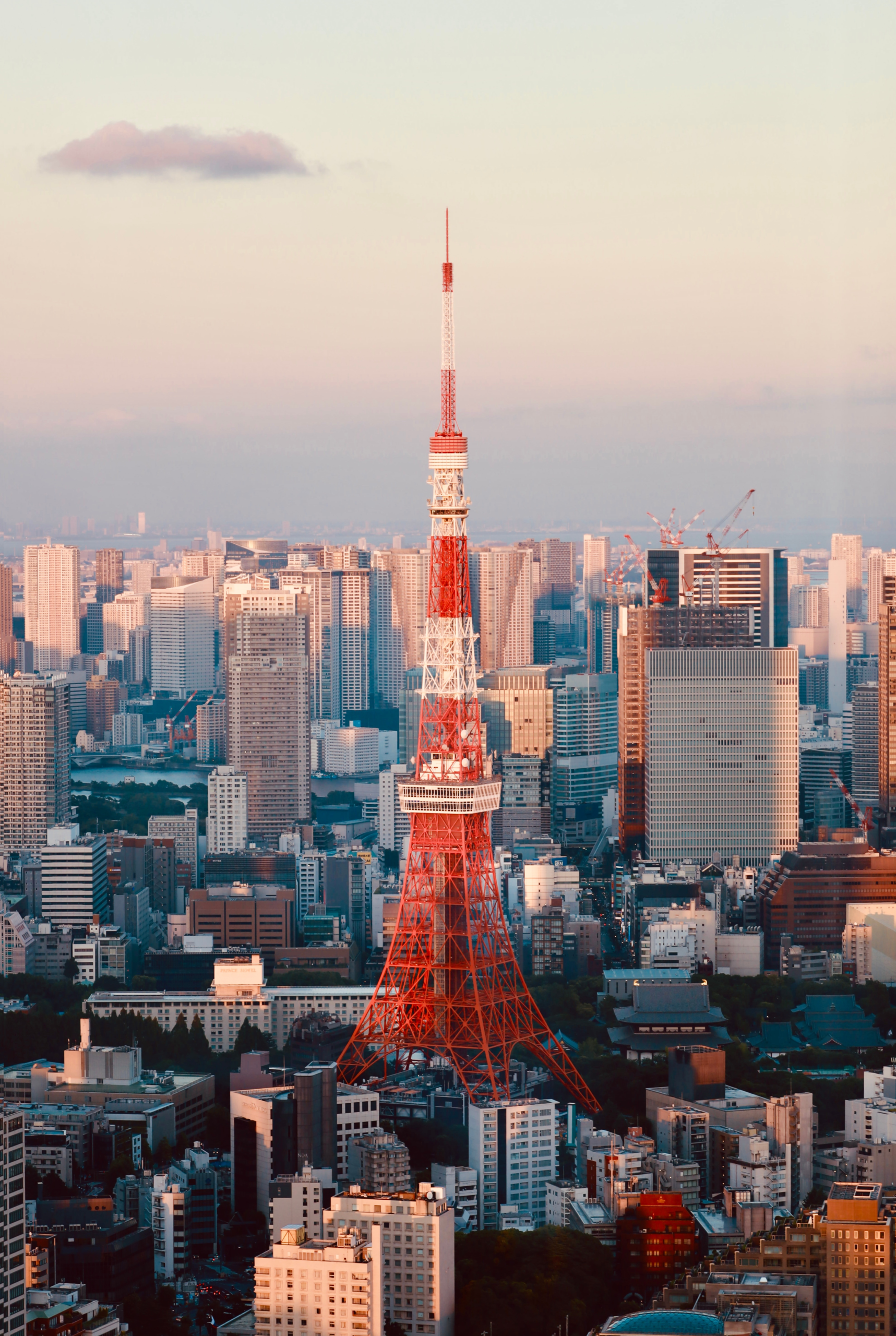
Golden hour. Shibuya Sky observation deck, Tokyo Tower at blue hour, or Mori Tower (Roppongi Hills).
7:00–10:00pm
Dinner. Michelin seatings — Sushi Yoshitake, Ryugin, L’Effervescence, or Den. Or Golden Gai 200-bar alley crawl in Shinjuku.
— 06 —
VACCINATIONS · HEALTH · KIT

What you actually need.

Required vs. recommended. What to pack.
VACCINATIONS

Required vs. recommended.

REQUIRED · DIRECT US ENTRYNone.
RECOMMENDEDRoutine boosters (MMR, Tdap, flu, COVID up to date). Japan does not require special vaccinations. Optional: Japanese Encephalitis only for extended rural exposure (most TBT travelers don’t need).
OVERBLOWNHepatitis A/B — only if extended stays or adventurous eating outside the established food chain. Yellow Fever — not relevant.
PRE-TRIPStandard prescription kit: anti-inflammatories, melatonin for jet-lag, motion-sickness if you’ll do helicopter or Shinkansen bullet train.
THE ESSENTIALS

What to pack before you fly.

TRAINING-SPEC FOOTWEARTwo pairs minimum: one for the 5km Imperial Palace loop, one for the temple-and-restaurant slip-off rotation. Tokyo’s pace at the TBT tier is high-step-count even at recovery pace.
ELECTROLYTESLMNT or Liquid IV — 14 packets for a 7-night trip. Summer humidity dehydrates faster than the temperature signals. Match sodium load to training intensity.
RECOVERY TECHWhoop or Oura for jet-lag tracking. Compression sleeves for the long-haul flight. Eye mask. Tokyo’s UTC+9 is the harder shift — 13 hours from NYC, 8 from London. Day 1 sleep anchored at 5:30am sunrise locks the rhythm.
POWER · 100V TYPE AJapan uses 100V Type A (US flat pins, same sockets). Most US devices work without converter. Hotel-provided charging is fine at your tier.
FOR THE TRAVELER WHO TRAINS

How Tokyo affects the body.

SLEEP · JET LAGUTC+9 — 13 hours from NYC, 8 from London. Eastward shift hits harder. Morning sun 5:30–6:30am day 1 at the Imperial Palace loop anchors circadian rhythm fastest.
HUMIDITY · HEAT INDEXTokyo summer (Jun–Sep) numbers undersell it — 80%+ humidity, heat index 95–100°F+. Outdoor workouts at 5:30–7am or after 7pm only. Otherwise winter / spring / fall.
AIR QUALITYTokyo air is generally clean (AQI 30–60 most days) — far better than Hanoi, Beijing, or Bangkok. No N95 needed. Winter occasional yellow-dust events from China; rare.
TRAINING + RECOVERYAman Tokyo’s spa is a 2,500m² wellness floor — training-grade equipment, traditional onsen-style bath recovery, Kampo therapy, Shiatsu protocols. Peninsula has a full 20m lap pool with Tokyo skyline view. Hoshinoya has authentic natural-spring onsen recovery — the closest to a Hakone ryokan inside the city. If you have a specific training protocol (lifting, sport-specific work, recovery cycling), tell us in advance — we coordinate with the hotel performance team or arrange external facility access.
— 07 —
THE HARD TRUTHS

What we tell you that nobody else does.

The realities of Tokyo that shape how the trip actually feels. Honest framing first; everything else after.
PRIORITY · 01 THE SCALE PROBLEM

Tokyo is bigger than you think. Plan in neighborhoods.

Tokyo’s metro area holds 37 million people across 23 wards. Trying to “see Tokyo” in 4 days will leave you exhausted and feeling like you missed everything. The locals don’t even attempt it.

What we do about it: anchor your stay in ONE neighborhood (Ginza for polish, Otemachi for institutional, Aoyama for design, Asakusa for old), let that neighborhood teach you the city’s logic, do 1–2 deep ventures elsewhere per day. Tokyo rewards depth in one zone over surface-skim across many.

PRIORITY · 02 SUMMER HUMIDITY · BRUTAL

Tokyo summer is harder than the temperature reads.

June–September looks like 75–89°F on paper. Reality: 80%+ humidity stacks on top, heat index pushes 100°F+. It feels like Hanoi in August. Avoid outdoor experiences mid-day.

The fix: if you must travel Jun–Sep, sunrise walks (5am Imperial Palace), mid-afternoon onsen reset, late-evening dining. Or just go in March/April or October/November instead.

TYPHOON SEASON

August–September can disrupt.

Typhoon systems hitting Tokyo can shut down Shinkansen service for 24–48 hours, ground domestic flights, and force outdoor experiences indoors. Tokyo itself handles them fine (skyscrapers don’t care), but day trips to Hakone, Mt. Fuji, or Niseko get derailed.

The plan: if booking Aug–Sep, build flex into the itinerary. We monitor JMA (Japan Meteorological Agency) 7 days out and adjust day-trip timing.

THE LANGUAGE WALL

English is thinner than you’d expect.

Tokyo’s English signage is excellent in tourist zones (Ginza, Asakusa, Shibuya). But step into a small ramen shop in Yanaka or a kissaten in Daikanyama and you may find no English menu, no English-speaking server, and a cash-only counter.

The fix: Google Translate works in Japan (unlike China). Save your hotel address in Japanese on your phone. For Michelin counters: book via concierge with explicit dietary/allergy notes in Japanese.

PRIVATE · HELICOPTER · COMMERCIAL

The ways you fly.

PRIVATE JET ARRIVALHaneda (HND) has a dedicated business aviation terminal — direct transfer from FBO to your hotel, no main terminal. Narita (NRT) also accommodates private jets but HND is the proximity move.
HELICOPTER CHARTERSMori Building Heliport (Roppongi rooftop) for city loops. Tokyo → Hakone direct (~45 min) avoids the train. Tokyo → Mt. Fuji loop (~90 min) for the iconic view.
COMMERCIAL · DOMESTICANA (All Nippon Airways) = world-class domestic + international. Japan Airlines (JAL) = the other flagship, equally excellent. Both Star Alliance / Oneworld respectively.
AVOID BUDGET CARRIERSPeach, Jetstar Japan — for short hops only, never with checked international bags. The Shinkansen bullet train is usually faster + better than flying for Tokyo ↔ Kyoto ↔ Osaka.
COMMERCIAL · INTERNATIONALEmirates, Qatar, Singapore Airlines for ME/Asia connections. ANA + JAL for direct US routes. United Polaris for SFO, JFK, ORD direct connections to HND/NRT.
THE LOCAL CODE

What locals notice.

NO TIPPINGIn Japan, tipping can be seen as insulting — like saying the service was unexpected. Don’t leave cash on the table at restaurants. At top-tier hotels, the bellman accepts but it’s still rare. If you must show appreciation: a written note + small gift wrapped in furoshiki cloth is the local equivalent.
DON’T STAND CHOPSTICKS VERTICALLY IN A RICE BOWLThis mimics incense at a funeral altar. Lay chopsticks flat across the bowl or on the chopstick rest. Locals will notice immediately. Verified across Japanese, Chinese, Vietnamese, and Korean cultures.
QUIET ON TRAINSNo phone calls. No loud conversations. Tokyo Metro is a working-commute zone — match the volume of the car. Texting fine.
DON’T PHOTOGRAPH GEISHA / MAIKO IN GION-STYLE DISTRICTSTokyo’s Asakusa has no geisha quarter to worry about, but if you do day-trip to Kyoto: do not stop, grab, or flash-photograph maiko on the street. Fines and bans enforced.
SHOES OFF AT RYOKAN + TRADITIONAL RESTAURANTSWatch for the “genkan” step-up zone at the entrance. Slippers usually provided. Don’t wear bathroom slippers back into the main room.
— 08 —
WHAT WE DO BEHIND THE SCENES

The bespoke details.

Kinds of arrangements made before you land.
— 01 —
WE ARRANGE

Services not on any booking site.

Quiet logistics, set before you arrive.
  • PRIVATE CHEFIn your suite at Aman, Peninsula, or Bvlgari. Tsukiji market run optional, recovery macros on request.
  • HELICOPTER CHARTERMori Heliport · 25-min Tokyo loop, 90-min Fuji loop, or direct transfer to Hakone.
  • TEA CEREMONY MASTERPrivate session at a Higashiyama-style tea room (Aoyama or Akasaka). Wabi-sabi tradition, English-explained.
  • SUSHI COUNTER PRIVATE BOOKINGBuyouts of 8-12 seat omakase counters for groups. Includes 5pm seating with the chef.
  • IN-SUITE WELLNESSMassage, shiatsu, breathwork, recovery — sent to your hotel by Aman Spa or Peninsula’s wellness team.
— 02 —
WE OPEN

Doors before opening hours. After closing.

Private access to the sites the public lines up for.
  • SENSO-JI PRE-DAWN BLESSINGPrivate monk-led morning blessing inside the main hall — before 5:30am opening. Sanctum-only.
  • IMPERIAL PALACE EAST GARDENSBefore-hours private tour with a TBT-vetted Edo-history guide. No crowds.
  • TOYOSU TUNA AUCTION VIPPre-dawn private viewing platform access. The auction starts 5:30am — most visitors stand on the public viewing deck. We arrange ground-floor access.
— 03 —
WE ACCESS

Doors the city keeps closed.

Relationships built over years, opened for you.
  • MICHELIN RESERVATIONSSushi Yoshitake, Joël Robuchon, Ryugin, L’Effervescence — 2-3 months out, the counter seats first.
  • PARTNER GMsAman Tokyo, Peninsula Tokyo, Bvlgari Hotel Tokyo — direct GM intros at check-in.
  • OFF-LIST PROPERTIESTownhouses and machiya in Kagurazaka or Yanaka — not on any aggregator. Available on request.
  • HOTEL UPGRADESQuietly arranged before arrival, not negotiated at the desk.
— 04 —
WE TRANSLATE

The fluent people behind every visit.

English-speaking fixers, on the ground, on your terms.
  • PRIVATE GUIDESTokyo historians, art curators (teamLab + Mori), food experts — matched to your interest.
  • DRIVERSEnglish-fluent. Mercedes V-Class or Lexus LS. Same driver every day of the trip.
  • FIXERSFor complex needs — medical, last-minute reservations, sensitive errands, language translation at counters.
  • CULTURAL BRIEFSSent ahead of arrival, tailored to your itinerary — including kaiseki menu translations and tea-ceremony etiquette primers.
— 09 —
THE SHAPE OF A TOKYO TRIP

We don’t ship itineraries.

Bespoke means we build the rhythm around you, not the other way around. Here’s what we ask before we start.
HOW BESPOKE ACTUALLY WORKS

The other guides give you a day-by-day plan. We don’t. A bespoke trip starts with what’s true for you: your training schedule, your dietary protocols, your sleep window, the experience you’d fly for. You answer. We build.

— THE INPUTS —

What we ask before we build.

The questions that shape your trip more than any itinerary ever could.

  • 01.
    What time do you wake at home? Do you want to keep that here, or use the jet lag to shift earlier?
  • 02.
    Are you training during the trip? If so — what’s the schedule, what equipment do you need, and what climate adjustments matter?
  • 03.
    Any dietary protocol — macros, recovery nutrition, fasting window, allergens, religious or cultural restrictions?
  • 04.
    The one experience you’d fly for. Is it a meal, a place, a person, a quiet morning, something we haven’t mentioned?
  • 05.
    Density or quiet? Do you want a full city day, or the slow afternoon and the long lunch?
  • 06.
    Anniversary, milestone, recovery trip, work trip — what’s this trip for?
  • 07.
    Solo, couple, family, or group? Each shape differently.
— THE ANCHORS —

The moments we build around.

Not a checklist — a list of the kinds of anchors that often appear in a TBT-built trip.

  • The sunrise at Senso-jiThe single most Tokyo-specific morning. Pre-5:30am Asakusa, the incense smoke, the empty Nakamise pilgrimage street.
  • The Michelin mealUsually Sushi Yoshitake, Ryugin, or L’Effervescence — sometimes a 3-star + a counter night across two evenings. The pacing of the trip orbits these dinners.
  • The 3-eras walkGinza Wako → Aoyama → Shibuya Sky. Three Tokyos — Meiji wealth, mid-century design, contemporary chaos — in one afternoon.
  • The slow afternoonThe 2-4pm window — Aman Spa onsen, Peninsula rooftop, or Hoshinoya’s natural hot spring. Tokyo’s mid-day reset ritual.
  • The Region Arc launchOne of the 5 routes beyond — Hakone (onsen), Nikko (autumn shrines), Mt. Fuji (icon), Niseko (powder), or Naoshima (art island). Built into the trip if it fits.
— SANCTUM —

Tell us about you. We build the rhythm.

Sanctum members answer the 7 prompts above. We build the trip from there. Flights, hotels, drivers, restaurants, private chef, motorcycle tour, paragliding, all pre-arranged before you land. No template. No itinerary you didn’t ask for.

REQUEST A SANCTUM ROUTE

What Tokyo taught me.

— Kafele
SANCTUM

Want Tokyo handled?

beyond the ordinary.

Sanctum members can request a custom Tokyo route — flights, hotels, drivers, omakase reservations, private chef, helicopter charter, tea ceremony master, region arc extension — pre-booked, the whole rhythm of the trip mapped before you land.

REQUEST A ROUTE
— FROM TOKYO · 5 ROUTES BEYOND THE CITY —

Tokyo is the launch pad.

Within a half-day’s reach by train, shinkansen, or short flight, you can land in 5 different versions of Japan — onsen valleys, autumn-foliage shrines, the icon mountain, powder-snow peaks, and an art island in the Seto Inland Sea. Each gets its own dedicated guide.

— 01 —
Hakone
1.5 HRS · WEST
The onsen capital. Mount Fuji views. Ryokan circuit + Hakone Ropeway. Tokyo’s natural release valve.
— 02 —
Nikko
2 HRS · NORTH
Toshogu Shrine (UNESCO). Kegon Falls. Japan’s autumn foliage capital. Day or overnight.
— 03 —
Mount Fuji
2 HRS · WEST
The icon. Kawaguchiko or Yamanakako lakeside ryokan stays. Best from late October — clear-sky season.
— 04 —
Niseko
1.5 HR FLIGHT · NORTH
Hokkaido. World’s best powder snow. Park Hyatt Niseko Hanazono — ski-in/ski-out. December — March.
— 05 —
Naoshima
4 HRS · WEST
The art island. Tadao Ando architecture. Benesse Art Site. Japan’s quiet luxury for collectors and architects.
thebespoketraveler · Tokyo · City Guide template v7

WELCOME BACK