Halele’a Spa — the house of joy above Hanalei Bay
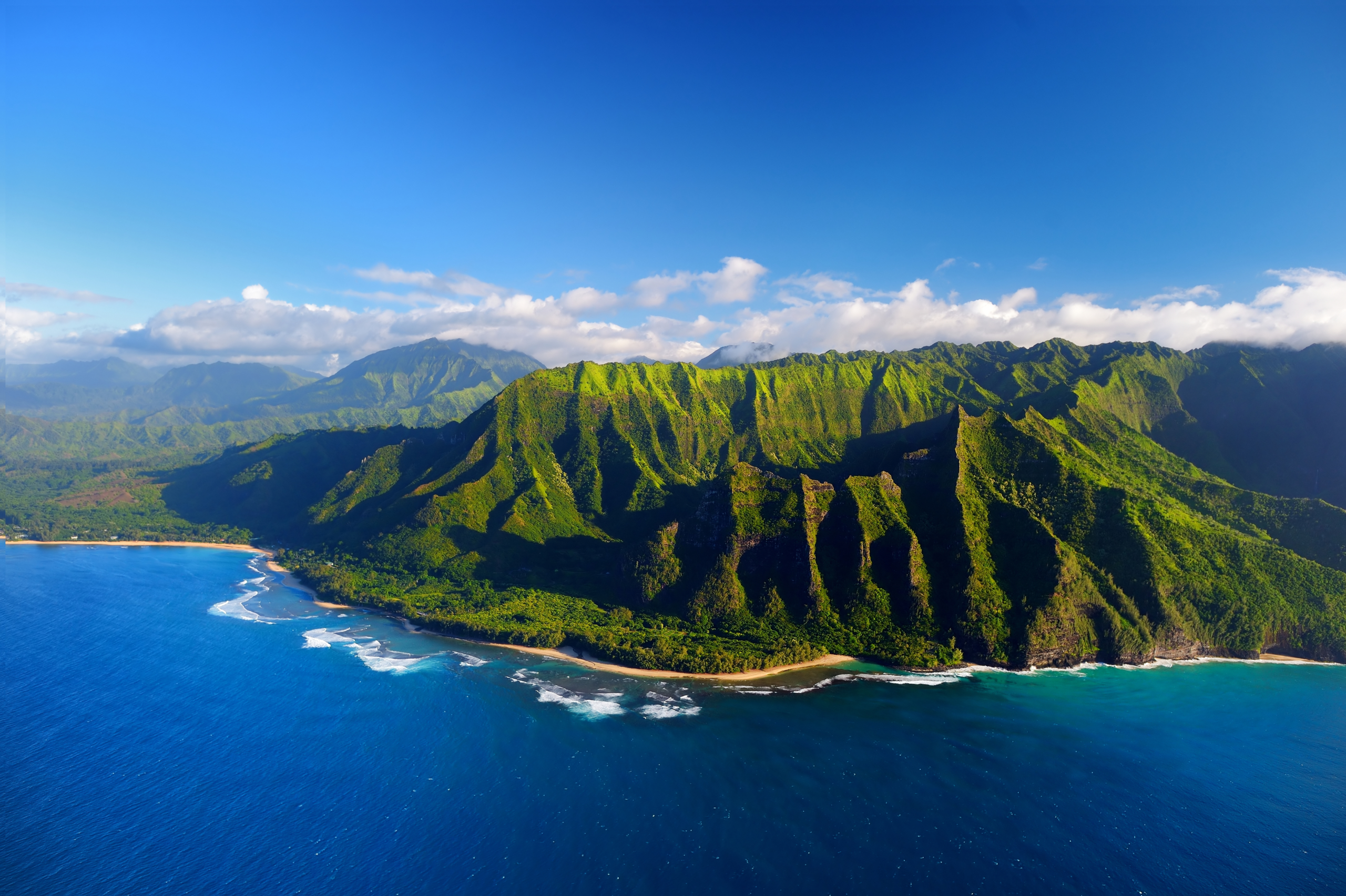
The architecture is the first read. The treatment hales (small open-air pavilions) sit on the cliff above the bay, with the trade winds and the ocean sound as the ambient soundscape. There is no enclosed corridor. The walk between the locker area and the treatment hale is outdoor, native-planted, and quiet.

The hales
The treatment hales are small, semi-open structures with the ocean as one wall. Wood floors, raw cotton drapes, a single table, and the trade winds running through the structure during the session. The exposure to weather is deliberate — the spa is not insulated from Kauai; it is built into it.
For travelers used to enclosed, climate-controlled spa rooms with piped-in music, the recalibration is immediate. The ambient sound at Halele’a is the bay below — surf, wind, the occasional bird from the cliff vegetation. The temperature is whatever the weather is. The light is whatever the sky is doing. The session works because the practitioner is unbothered by the variables and the table is steady.

The two-practitioner lomi-lomi
Lomi-lomi is the Hawaiian traditional massage — long-stroke, full-body, with rhythmic pressure and a fluid pattern that runs the length of the body in continuous motion. The Halele’a program runs the standard 60- and 90-minute lomi-lomi as a single-practitioner session, and a signature 120-minute version with two practitioners working simultaneously.
The two-practitioner version is the spa’s defining offering. Two trained lomi-lomi therapists work in coordinated motion — one on the upper body, one on the lower, with the strokes synchronized to the same rhythm. The effect is unlike any single-practitioner work. The body’s spatial awareness reorganizes around the dual input. The session runs deeper than two single sessions back-to-back would.
The cost is meaningful — the two-practitioner program is the most expensive single treatment on the menu — and the booking window is tight (often six to eight weeks during peak season). For travelers who care about bodywork specifically, it is the move at Halele’a.

The māmaki tea compress
Māmaki is a native Hawaiian plant in the nettle family — an endemic species that grew across the islands pre-contact and was used traditionally as both a tea and a wound compress. The Halele’a spa’s signature finishing treatment is the māmaki tea compress: a warm infusion brewed from leaves sourced through the same Hāʻena partnership that supplies the 1 Kitchen, applied as a compress to the back and the joints at the end of a treatment.
The māmaki has a measurable anti-inflammatory effect — the plant’s been studied at the University of Hawaii and the compounds are real. The compress is not a marketing artifact. The integration with the rest of the session is what makes it work. The body has been through 90 to 120 minutes of bodywork; the warm compress is the close, and the body responds.

The Hawaiian salt scrub
The salt scrub at Halele’a uses Hawaiian sea salt from a small evaporation pan on the island’s south side — the same salt cooperative that supplies a few of the resort kitchens. Combined with macadamia oil and Limahuli-sourced botanical infusions, it is a 30-minute body treatment that runs as a stand-alone or as an add-on to a lomi-lomi.
The salt scrub is the spa’s case for ingredient provenance. Most resort spas use generic body scrub product. Halele’a uses materials sourced within 25 miles of the property, with a traceable producer line. The difference is felt on the skin — the salt grain is smaller, the oil is fresher, and the post-treatment finish is cleaner than the imported product can match.

The thermal circuit
Halele’a runs a small thermal circuit — eucalyptus steam, cedar sauna, plunge pool, outdoor relaxation deck — that guests can use before or after a treatment session. The circuit is small by spa-resort standards (no large hammam, no salt cave, no theatrical features), but it is functional and the architecture is consistent with the rest of the property: open-air, native materials, restrained.
The right way to use the circuit is as a 30-minute pre-treatment warm-up. Five minutes of steam, five of sauna, two in the plunge pool, repeat the loop. By the time the treatment hale is ready, the body is primed and the practitioner has less work to do on the muscle entry.

How to book
Halele’a operates on the hotel’s concierge booking system, with a lead time of three to four weeks for a standard 60- or 90-minute lomi-lomi, and six to eight weeks for the two-practitioner 120-minute. Same-day availability happens but is unreliable, particularly during the December–March and July–August peaks. The right window is the morning after arrival (jet lag is real, and the first morning is the wrong time) and the morning before departure (the body wants the closing treatment to consolidate the trip).
The spa is open to non-hotel-guests on a limited basis, with thermal-circuit access bundled into a treatment booking. For travelers staying elsewhere on the island, this is one of the few ways to access the 1 Hotel program without a room booking.

The breath and movement program
Halele’a runs a small movement program in addition to the bodywork — daily yoga at sunrise on the cliff lawn, a breath-work session mid-morning, and a Hawaiian-rooted strength class in the late afternoon. The classes are open to hotel guests at no additional charge during the week; non-guests book through the spa for a single-class fee.
The breath-work session is the underrated piece. The instructor is trained in a Hawaiian-influenced approach — the practice runs with the trade winds, on the cliff edge, in a 25-minute structure that pairs with the geography rather than overriding it. For travelers whose breath patterns are noisy from jet lag or screen fatigue or the run-up to the trip, the session resets the breath in a way the indoor, urban breath-work classes don’t. It is one of the more honest wellness offerings the property runs.

The visiting-practitioner program
Halele’a runs a rotating visiting-practitioner program — Hawaiian bodyworkers from across the islands, occasional teachers from the broader Polynesian wellness tradition, and a few mainland practitioners with serious credentials. The schedule rotates monthly, with the spa concierge able to share the calendar for the booking window. Travelers planning a wellness-focused Kauai trip can build the visit around a specific practitioner’s residency week.
The visiting program is the part of the spa that signals the long game. Most resort spas hire a stable house team and rotate the menu seasonally. Halele’a runs a stable team and brings in visiting expertise as a deliberate part of the program. The result is a spa whose offering shifts more often than the property’s other infrastructure, with a small advantage to travelers who time the visit.
The recovery brief for serious athletes
For travelers arriving from a hard training block — the brand routes a meaningful share of current and former professional athletes — the spa runs a recovery-specific program that doesn’t appear on the standard menu but is available on request. The structure is a 90-minute deep-tissue session focused on the major muscle groups under training load, followed by a 30-minute thermal-circuit cycle (sauna-cold-sauna-cold), then a 20-minute māmaki compress with the body wrapped warm.
The session is heavier than a standard lomi-lomi by a meaningful margin. It is also more useful for an athlete in active recovery, and the practitioners trained for it have backgrounds in sports massage in addition to lomi-lomi. The booking notes should flag the training context — sport, current block, any specific overuse pattern — so the practitioner can build the session around the body’s actual needs rather than the spa’s default protocol.
What the spa does
Halele’a is the first serious spa Kauai has held. The other Hawaiian islands run higher-volume spa programs — the Four Seasons Hualalai on the Big Island, the Halekulani on Oahu, the Andaz Maui — but none of them are built in the architectural register Halele’a is. The open-air hales above the ocean, the two-practitioner lomi-lomi, the Hawaiian-sourced product line, and the māmaki compress combine into a program that reads as Hawaiian first and luxury second. That order matters.
The spa is the part of a Kauai trip that is most often skipped and most often regretted. A serious wellness session on the second day of the trip resets the body’s pace for the rest of the week. Halele’a is the first program on the island where the session is worth flying for, not just worth booking around.
What Halele’a understands, that most resort spas do not, is that the geography is the treatment. The trade winds, the bay sound, the open hale, the native vegetation around the structure — these are not ambient features. They are part of the work. A traveler who books an indoor, climate-controlled spa session on Kauai has missed the point of being on the island. Halele’a does not let that happen.
Enter your details to open this guide — and every guide in our atlas.
The trips we don’t list publicly
Our exact stays, tables, and routes live inside Sanctum.
Unlock the Guide